 Reviews


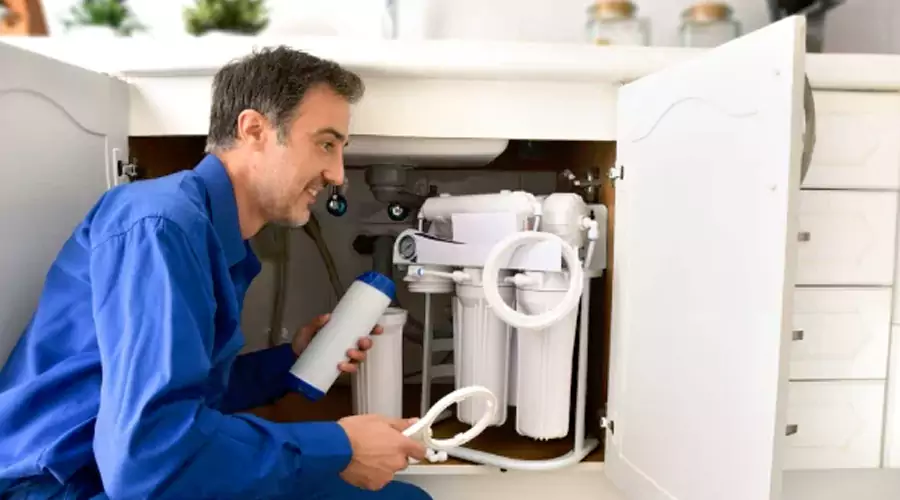
Hard water is one of the most common household problems, leaving scale buildup on pipes, spots on dishes, and dry skin after every shower. The good news Installing a water softener is a DIY-friendly project that can save you money and protect your plumbing for years to come.
In this step-by-step guide, you will learn exactly how to install a water softener in your home, even if you have never done plumbing work before.
What Is a Water Softener and Why Do You Need One?
A water softener removes minerals like calcium and magnesium from your water supply through a process called ion exchange. These minerals are what cause hard water, which can:
- Clog pipes and reduce water pressure over time
- Leave white, chalky residue on faucets and appliances
- Reduce the efficiency and lifespan of water heaters
- Make soap and shampoo less effective
- Leave skin feeling dry and itchy
Installing a water softener solves all of these problems at the source, With professional water softener installation, it becomes one of the smartest upgrades you can make for your home.
Tools and Materials You Will Need
Before you get started, gather the following items:
- Water softener unit (sized to your household)
- Bypass valve (often included with the unit)
- Pipe cutter or hacksaw
- Flexible tubing or copper pipe
- Teflon tape
- Pipe wrench and adjustable wrench
- Soldering kit (if using copper pipe)
- Drain hose
- Bucket and towels
Pro Tip: Choose a water softener rated for your household size. A general rule is 32,000 grains of capacity for 1 to 3 people, scaling up as needed.
Step-by-Step Water Softener Installation Guide
Step 1: Choose the Right Location
Place your water softener near the main water supply line, ideally before the water heater. The ideal spot should have:
- Access to a power outlet
- A nearby floor drain or utility sink for brine discharge
- Enough space to load salt bags comfortably
Avoid installing it in areas that are subject to freezing temperatures, as this can damage the unit and affect performance.
Step 2: Shut Off the Water Supply
Turn off the main water valve to your home. Open a faucet to relieve pressure and drain any standing water in the pipes. Place a bucket and towels nearby to catch residual water during the installation process.
Step 3: Cut Into the Main Water Line
Using a pipe cutter, cut into the main supply line at your chosen installation point. Make sure to leave enough room to connect the inlet and outlet ports of the softener.
- Install on the cold water line only and never on the hot water line
- Install after any outdoor spigots so that garden water stays untreated
Step 4: Install the Bypass Valve
Attach the bypass valve to the back of the water softener. This valve allows water to flow normally if you ever need to take the softener offline for maintenance. Most units include a push-clip or threaded bypass valve that connects easily without any special tools.
Step 5: Connect the Water Lines
Connect the softener's inlet port to the incoming supply line and the outlet port to the line running to the rest of your home. Use the appropriate fittings for your pipe type, whether copper, PVC, or flexible tubing. Wrap all threaded connections with Teflon tape to prevent leaks and ensure a tight seal.
Step 6: Connect the Drain Line
Attach the brine drain hose to the softener's drain port. Run it to a nearby floor drain or utility sink. Make sure the hose maintains a slight downward slope to allow for gravity drainage. Do not submerge the end of the hose in water, as this can cause backflow contamination in your system.
Step 7: Add Salt to the Brine Tank
Fill the brine tank with water softener salt. You can choose from rock salt, solar salt, or evaporated salt pellets. Fill the tank to about two-thirds full and avoid overfilling, as this can cause salt bridges that block the system from working properly.
Step 8: Power On and Program the System
Plug in the water softener's control valve. Set the current time and program the regeneration cycle, which is typically set to run overnight every few days depending on your water hardness level and household usage. Consult your unit's manual for the specific programming steps and recommended settings.
Step 9: Run a Manual Regeneration Cycle
Before using softened water, run one manual regeneration cycle to flush the resin bed and prime the system. This process usually takes 1 to 2 hours. Once complete, restore water flow by switching the bypass valve to the service position and you are ready to go.
How to Test If Your Water Softener Is Working
After installation, test your water with a water hardness test strip, which is available at most hardware stores. Softened water should read 0 to 1 GPG (grains per gallon). You should also start to notice:
- No more soap scum or scale buildup on fixtures
- Softer-feeling skin and hair after bathing
- Spot-free dishes coming out of the dishwasher
Maintenance Tips to Keep Your Softener Running Smoothly
Keeping your water softener in top condition does not require much effort. Follow these simple maintenance habits:
- Check salt levels monthly and refill as needed
- Clean the brine tank once a year to remove salt mushing or bridges
- Use quality salt as evaporated pellets tend to be the cleanest option
- Schedule a resin bed cleaning every 6 to 12 months using a resin cleaner
Final Thoughts
Installing a water softener is one of the best investments you can make for your home's plumbing and your family's everyday comfort. With the right tools and this guide, most homeowners can complete the full installation in 2 to 4 hours. If at any point you feel unsure about your plumbing setup, do not hesitate to consult a licensed plumber.
Say goodbye to hard water and hello to cleaner pipes, softer skin, and spotless dishes.
Frequently Asked Questions
Why is it essential to install a water softener, and how will it improve my home's water quality?
Installing a water softener eliminates hard water minerals like calcium and magnesium, which can clog pipes, damage appliances, and reduce the effectiveness of soaps. This leads to cleaner dishes, smoother skin, and longer-lasting plumbing and appliances.
How can I determine the right size of water softener for my home?
The right size depends on your household's water usage and the hardness of the water. You can calculate it by considering the number of people in your household and your average water consumption. A professional can help determine the ideal unit based on your needs.
What are the common installation mistakes to avoid when installing a water softener?
Common mistakes include improper placement of the unit, incorrect salt levels, and not connecting the water softener to the main water line properly. These issues can lead to inefficiencies or even malfunctioning of the system.
Will installing a water softener affect my water pressure?
A properly installed water softener should not affect your water pressure significantly. However, if the unit is undersized or if there's an issue with the installation, it might cause a slight drop in pressure.
How do I maintain my water softener once it's installed to ensure long-lasting efficiency?
Regular maintenance includes checking the salt levels every month, cleaning the brine tank annually, and scheduling a professional check-up every 1-2 years to ensure optimal performance.